“an unplayable game?!” makes Accessibility Impossible to Ignore
Quick Take: “an unplayable game?!” is a small indie game which advocates how accessibility isn’t just a luxury that gaming companies should treat as an afterthought. The game makes the user feel how it’s like to be denied proper choices in order to demonstrate the of impaired players being unable to play mainstream games.
You know, after all the time I’ve spent playing games, working on developing games, and yapping about them on this blog, I’ve never dove into accessibility as a key game perk or mechanic.
Playing “an unplayable game?!,” can be cited as an eye-opening & frustratingly addictive (or maybe just “frustrating” on your first run) game.
I got the oppurtunity to chat with the developer behind “an unplayable game?!,” yemáko.
If you’re looking for a game to play after unwinding after long days from work, you’ll fare well by pressing the back button from this page and start saving for the new GTA IV game that’s coming out.
HOWEVER…
If you’re looking for a game that you can meet up with friends for…a game that will give you endless laughs, and an overwhelming, undoubtable feeling of accomplishment once finished, “an unplayable game?!” is your best option.
So here is my “an unplayable game?!” review, going over accessibility in indie games, and mainstream games’ lack of regard for impaired players who need accessibility settings.
This game is witty and fun, made to annoy, but certainly not to disappoint.
After all, when I got to hear from the game developer behind “an unplayable game?!,” yemáko expressed how they wanted to make struggle “core to the experience,” even though yemáko was aware during the design process, “such an obtuse, totally uncompromising, and seemingly unplayable first impression would turn a LOT of people away from the game. They'd think it's a joke or a stupid art piece or something.”
But luckily for the game, the sheer difficulty of “an unplayable game?!” effectively works as a filter, deterring the impatient, and challenging the levelheaded. Ultimately, the video game is a genius way to raise awareness for those with accessibility challenges, as well as bring to light how mainstream games fail to represent the large crowd of players who cannot play due to a lack of knowledge.
And if you know me, you know I love to pick on the big guys.
Gameplay
〰️
Gameplay 〰️
(I don’t want to spoil the fun of problem solving the gameplay, so I’ll only go over the essential/beginning parts)
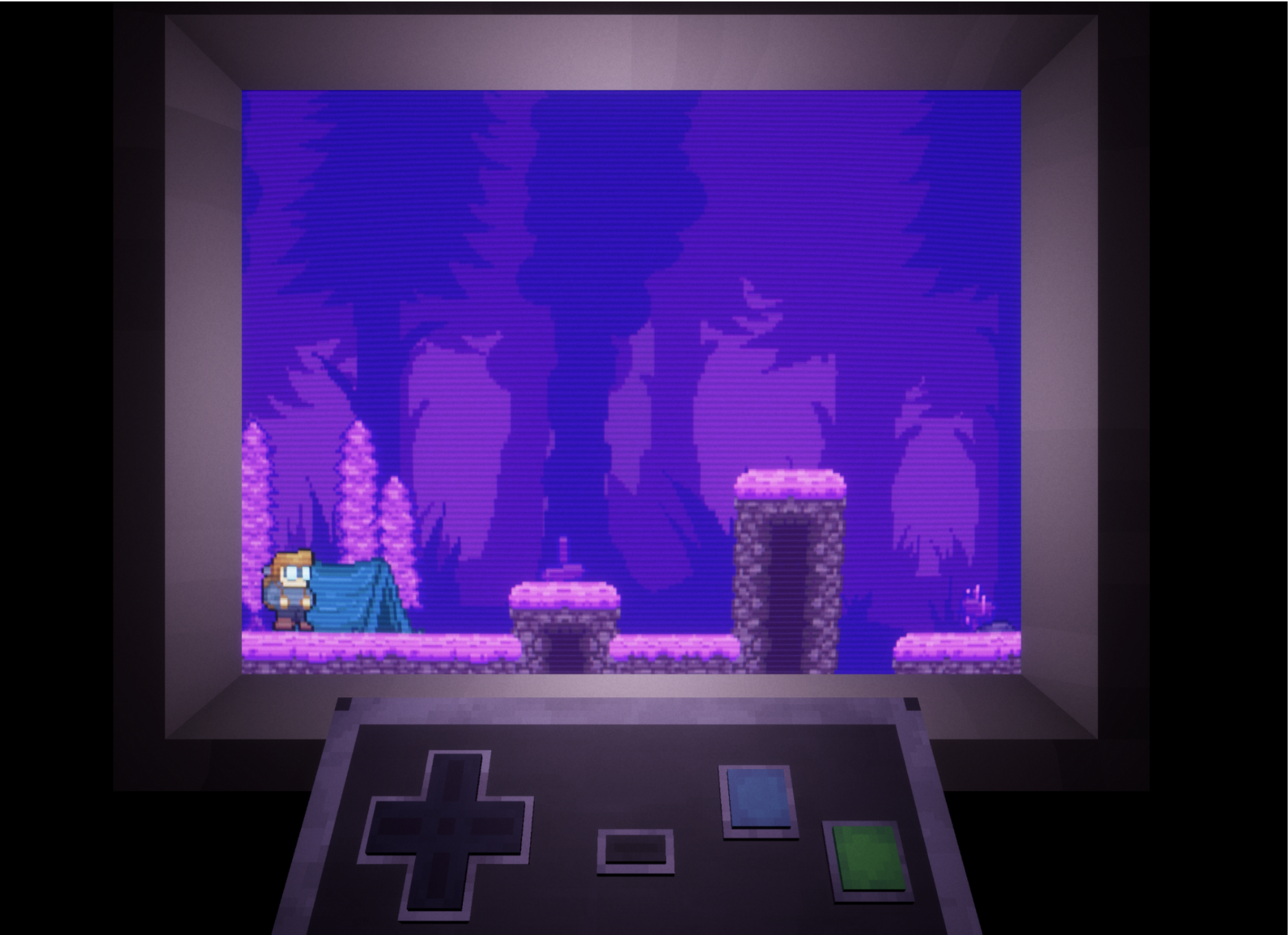
initial screen layout
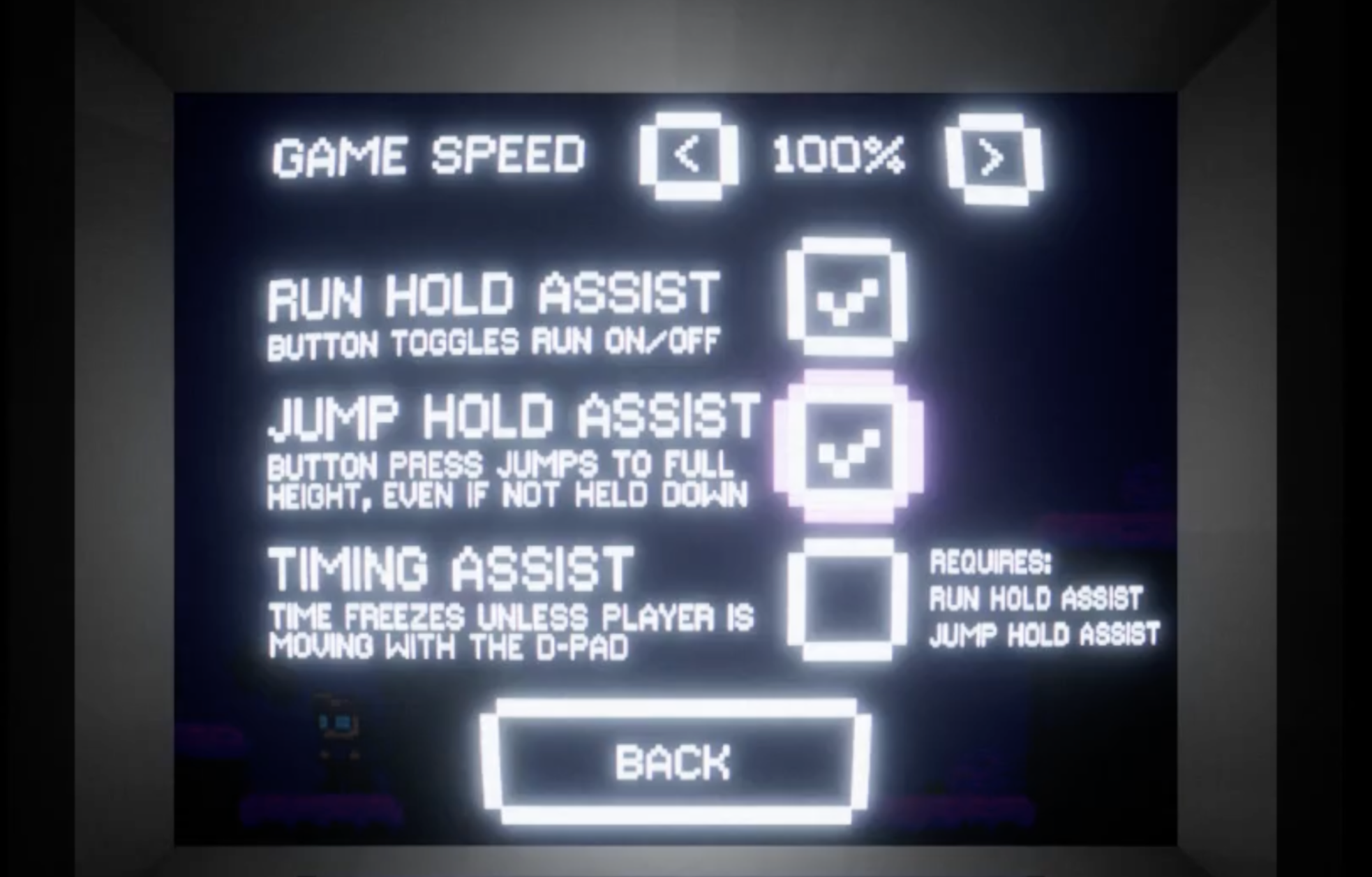
the accessibility page of “an unplayable game?!”
This is the first screen a player is introduced to
You are greeted with a simple, side scroller 2D game with cute graphics that seems hilariously simple. How can this be unplayable?
You soon realize that jumping doesn’t constitute horizontal movement, and that you’ll need to press BOTH the jump button, and the arrow keys.
That’s where the unplayability occurs: you can only interact with the interface by using your mouse, not both your hands.
Oh no, indeed.
You soon realize that the remedy to this “jumping” problem is to go to the Accessibility page of the game, and check the “Jump Hold Assist” button.
Albeit a slow resolution, you are then able to freeze time for jumping & pressing arrow keys.
As you struggle to try and press the game’s buttons, the game unrelentingly finds ways to press all of yours. The game consists of so many of these twists and turns, taking me approximately 50 minutes to finish the game.

yeah, I was cooked chat
So, what is the game advocating for?
This game was so much fun: usually I’d say I play the games I review, but this time I learned about the cause it was advocating for while playing the game…
…physically stepping into the shoes of someone who is held back from playing games like Elden Ring, COD: Warzone, Battlefield 4, and many other beloved games, due to companies’ lack of regard for accessibility concerns.
Call of Duty: Warzone
Call of Duty: Warzone is one example of companies’ disregard for impaired players: Activision spent approximately 400 million on the game, and left players with “[barely] passable” accessibility settings, offering only on/off subtitles (with no size options), and in-game chat able to be switched off, which is the bare minimum for the large audience of gamers that need accessibility accommodations.
Battlefield 4
Meanwhile, Battlefield 4 from DICE hardly met accessibility ratings, with the game giving no accessibility option to remove a player from a team. Additionally, the game requires inter-team communication to keep gameplay fluid. However, Battlefield 4 does not accommodate for impaired players by not implementing text-to-speech features for those with hearing or speaking impediments. 😩
Elden Ring
Elden Ring falls for the “accessibility deprivation” as well: Their game doesn’t have a concept of menu narration, and no color-blindness modes for players to be able to switch, so items in the game are more difficult to locate, increasing the odds for visually impaired players.
Notes from Yemáko
When I was able to hear from yemáko, he expressed to me how he stayed away from using AI at all in his game developing process.
““i didn’t use it to generate any assets for the game, i didn’t use it for ideas or troubleshooting or debugging, i didn’t use it at all while making [an unplayable game?!], and I don’t intend to use it at all in any of my future games. it doesn’t have a place in my workflow and i feel that it takes away from the joy i feel while making stuff.””
Overall, (badgames) does what big companies could not:
regard accessibility concerns from around the world
address them in a game (through accessibility settings)
advocate for better accessibility features for impaired gamers
…AND pulls this off enjoyably (debatable, of course).
Do I think the game could have been designed as a little easier to play? YES. BIG YES.
The game isn’t perfect: It went on for a long time, longer than enough to make a profound statement about a lack of accessibility settings for impaired players. Somewhere in the 20 minutes I started playing the game, I considered stopping and finding other games on STEAM to feature.
However, I’d like to take a break from commenting on game design themes, imbalances in player-feature dynamics, and graphics. After all, this game is a representation of the utter stupidity of gaming companies, and thus, thoughtfully puts players into the perspective of frustrated impaired players around the globe.
But wait!
If you want to support Indie game developers like yemáko, do take a look at the buttons below! They contain links to his steam, itch.io, and patreon pages.
We need more game developers yemáko: innovating the industry, on their terms.
Blanket Fort Boss signing off!